Cold Room Door Types and Selection: A Buyer's Guide
Cold room doors are the most handled part of any cold storage system, and they are usually the weakest thermal link. A well-specified door keeps temperature stable, protects product, and keeps running costs under control. A poorly chosen door leaks energy, ices up, warps, and becomes a maintenance headache within months.
This guide compares the five door types most often used in commercial cold rooms, explains how to match a door to the application, and lists the details buyers should confirm before a supplier ships.
The five common cold room door types
Most cold storage projects use one of five door families. Each has a different opening footprint, speed, insulation value and price level.
| Door type | Best for | Typical size range | Temperature range | Relative cost | Key trade-off |
|---|---|---|---|---|---|
| Hinged (swing) door | Small walk-in coolers, staff access, low traffic | 800 mm – 1,200 mm width | +10 °C to –25 °C | Low to medium | Simple and reliable, but slow to open and easy to leave ajar |
| Sliding door | Medium and large cold rooms, pallet access | 1,200 mm – 2,500 mm width | +5 °C to –40 °C | Medium | Saves swing space, but track and rollers need regular cleaning |
| Double-action (swing) door | Kitchen prep rooms, busy passages | 800 mm – 1,200 mm width | +10 °C to –5 °C | Low | Opens both ways for trolleys, but lower insulation than single hinged |
| Roller shutter / sectional door | Loading docks, large freezer stores | 2,000 mm – 5,000 mm width | +5 °C to –30 °C | Medium to high | Fast opening for forklifts, but needs headroom and thermal break |
| High-speed PVC / fabric door | High-traffic distribution centres | 1,500 mm – 4,000 mm width | +15 °C to –25 °C | Medium to high | Very fast cycle, but relies on air curtain or secondary door for deep cold |
Hinged doors are still the default for small cold rooms because they are cheap, easy to install and easy to seal. For rooms below 40 cubic metres with only staff traffic, a hinged door is usually the right starting point.
Sliding doors become the better choice once pallets or pallet jacks move in and out. They do not need the clearance a swing door needs, so the floor area in front of the room can be used for staging. The downside is that the lower track collects ice and debris, and the rollers wear faster if cleaning is neglected.
Double-action doors are common in commercial kitchens where staff carry trays or push trolleys. They open with a bump from either side and close automatically. They are not suitable for deep-freeze rooms because the seal is lighter and the panels are thinner.
Roller and sectional doors are used for dock-level cold stores and large distribution facilities. They need side tracks and headroom, and the opening speed is slower than a high-speed fabric door, but they provide a solid insulated barrier when closed.
High-speed fabric doors are often installed as an inner barrier in air-lock or ante-room arrangements. They are not meant to be the only separation between a –25 °C freezer and ambient air, but they cut infiltration dramatically when combined with a slower insulated outer door.
How to select a door by application
Door selection starts with three questions: what temperature must the room hold, how often will the door open, and what passes through it.
| Application | Recommended door type | Panel thickness | Heater cable | Notes |
|---|---|---|---|---|
| Fruit and vegetable cold store (+2 °C to +8 °C), low traffic | Hinged or sliding | 80 mm – 100 mm | Optional | A good rubber gasket is usually enough |
| Dairy and chilled meat (+0 °C to +4 °C), medium traffic | Hinged or sliding | 100 mm | Recommended on frame | Clean daily; choose a coved threshold |
| Blast freezer / IQF (–35 °C to –40 °C), product in and out | Sliding or sectional | 150 mm – 200 mm | Required on frame and threshold | Use a door heater to stop ice binding |
| Frozen storage (–18 °C to –25 °C), forklift traffic | Sliding or roller | 120 mm – 150 mm | Required | Reinforced bottom rail; floor guide recommended |
| Clean / pharmaceutical room (+2 °C to +8 °C) | Hinged or sliding stainless | 100 mm | Optional | Smooth surface, no exposed screws, flush threshold |
| Commercial kitchen walk-in (+2 °C to +8 °C) | Double-action or hinged | 80 mm – 100 mm | Not required | Bump plates protect the facing |
Temperature drives panel thickness. A –25 °C freezer needs a thicker insulated leaf and a better gasket than a +5 °C cooler. Traffic drives opening speed and durability. A door that opens thirty times an hour needs a faster cycle and stronger hardware than one opened ten times a day.
The size and type of load also matter. Manual traffic can use a narrow door. Pallet jacks need at least 1,200 mm clear width. Forklifts need 2,000 mm or more, plus sight lines and a flat transition plate.
Engineering tip: Specify the clear opening width, not the leaf width. A 1,200 mm hinged door usually gives only 1,050 mm – 1,100 mm of clear passage once the frame and open leaf are accounted for. If a 1,200 mm pallet is the design load, ask for a 1,400 mm door or a sliding door that opens fully.
Panel, frame and seal construction
Cold room door leaves are normally made from the same PU sandwich panels as the room walls, with aluminium or stainless steel edge profiles. The facing material affects hygiene, impact resistance and price.
| Facing material | Typical use | Impact resistance | Hygiene | Notes |
|---|---|---|---|---|
| Pre-painted galvanized steel (PPGI) | General storage, budget projects | Moderate | Good when cleanable paint is used | Most common in standard cold rooms |
| Stainless steel 304 | Food, pharma, wet areas | High | Excellent | Higher cost; worth it where wash-down is frequent |
| Stainless steel 316 | Coastal sites, aggressive cleaning | Very high | Excellent | Use only where corrosion is a real risk |
| Aluminium | Light-duty doors, internal use | Low to moderate | Good | Lighter weight but dents easily |
The frame must be thermally broken. A plain aluminium frame that bridges the warm side to the cold side will sweat and freeze at the edges. Look for a frame with a plastic or polyurethane thermal break, or specify a heater cable around the frame on freezer applications.
The seal system is what keeps the cold in. Most cold room doors use a double-lip EPDM gasket that compresses against the frame. On freezer doors, the gasket area should include a magnetic strip or a positive-latch compression system so the leaf pulls tight against the frame even if the panel warps slightly over time.
The threshold is another weak point. A high sill stops water and air, but it creates a trip hazard and blocks trolleys. A flush threshold is easier to cross but harder to seal. For freezer rooms, the threshold often includes a heater cable under a metal capping to stop ice from building up and jamming the door.
Hardware and accessories buyers often forget
Hardware is not an afterthought. The wrong hinges, latch or safety device can make a door unusable in winter.
| Accessory | What it does | When to specify |
|---|---|---|
| Heated frame / threshold | Prevents ice build-up that stops the door closing | All freezer rooms below –18 °C |
| Safety internal release | Lets someone trapped inside open the door from the inside | Any room large enough for a person to enter |
| Door closer / spring hinge | Returns the door to the closed position automatically | High-traffic hinged doors |
| Vision panel / window | Lets staff see inside without opening the door | Busy kitchens and small stores |
| PVC strip curtain | Reduces air exchange when the door is open | Very high-traffic openings; use as a secondary barrier |
| Traffic door bumper | Protects the facing from trolley and pallet impact | Any door used with wheeled equipment |
| Floor guide / track | Keeps a sliding door aligned under load | Sliding doors over 1,800 mm wide |
A heated frame should run on a separate circuit with its own breaker, not share power with the room lights. If the heater fails, the door can freeze shut overnight. For that reason, freezer door heaters are normally left powered even when the room is empty.
Engineering tip: Ask the supplier for the heater cable power draw in watts per metre and whether it is thermostatically controlled. A constant-wattage heater left running in summer wastes energy. A self-regulating cable costs more up front but uses less electricity across the year.
Five specification mistakes that cost money
- Choosing a door for first cost only. A cheap door with a thin leaf and single gasket can add 15–30 % to refrigeration load in a busy room. Over five years the extra power usually costs more than the door.
- Ignoring air infiltration at the threshold. Even a small gap under the door becomes a steady cold-air waterfall in a freezer. Specify a compression seal or automatic drop-down seal for hinged doors, and inspect the threshold every quarter.
- Wrong size for the traffic. A door that is too narrow forces staff to leave it open longer while they manoeuvre loads. Wider doors or faster doors reduce open time and protect product.
- No maintenance access to hardware. Hinges, latches and rollers should be reachable without stripping the frame. Ask for a hardware schedule that lists part numbers so replacements can be ordered later.
- Forgetting the ante-room or air curtain. In very high-traffic cold stores, even the best door cannot stop all infiltration. An air-lock with two doors, or a vertical air curtain over the opening, is often the only way to keep temperature stable.
Prices and what affects them
Cold room door prices vary widely with size, material, hardware and destination market. The figures below are rough industry reference points only. ⚠️ Replace with your actual quotation before using in any commercial offer.
| Door type | Approximate FOB reference range (USD, per door) | Main cost drivers |
|---|---|---|
| Small hinged cold room door (800–1,000 mm) | ⚠️ replace with your actual quotation | Panel thickness, facing material, lock type |
| Medium sliding cold room door (1,500 mm) | ⚠️ replace with your actual quotation | Track quality, heater cable, safety release |
| Large freezer sliding door (2,000 mm + heated frame) | ⚠️ replace with your actual quotation | Thickness, stainless facing, hardware brand |
| Industrial roller / sectional cold store door | ⚠️ replace with your actual quotation | Width, motor, safety edges, thermal break |
Sea freight, import duties and local installation are not included in the door price. A complete project budget should also include frames, heater cables, seals, freight, unloading and fitting.
Compliance notes for overseas buyers
Door hardware and electrical accessories must meet the electrical and safety rules of the destination country. In the United States, this usually means UL or ETL listing for electrical heaters and motorised operators. Refrigerant-related components are separate from the door itself, but if the door includes an integrated heater cable or control unit, that unit should carry the local electrical approval.
For the European market, CE marking on the door assembly and Low-Voltage Directive compliance for heaters and motors are normally required. Food-contact facings should be safe for the intended product under EU or local food-contact rules.
Always confirm with your local consultant which certifications are required before finalising specifications. Do not assume that a door configuration used in one country can be installed unchanged in another.
What to send a supplier when requesting a quote
A clear door specification gets a faster, more accurate quote. Include at least the following:
- Room temperature set point and minimum design temperature
- Clear opening width and height
- Expected traffic type and frequency (people, trolleys, pallet jacks, forklifts)
- Door type preference and whether a heated frame is needed
- Facing material (PPGI, stainless 304, stainless 316, or other)
- Hardware required: lock type, safety release, vision panel, door closer, floor guide
- Destination country and required electrical certification
- Whether installation is by the supplier's team, a local contractor, or the buyer
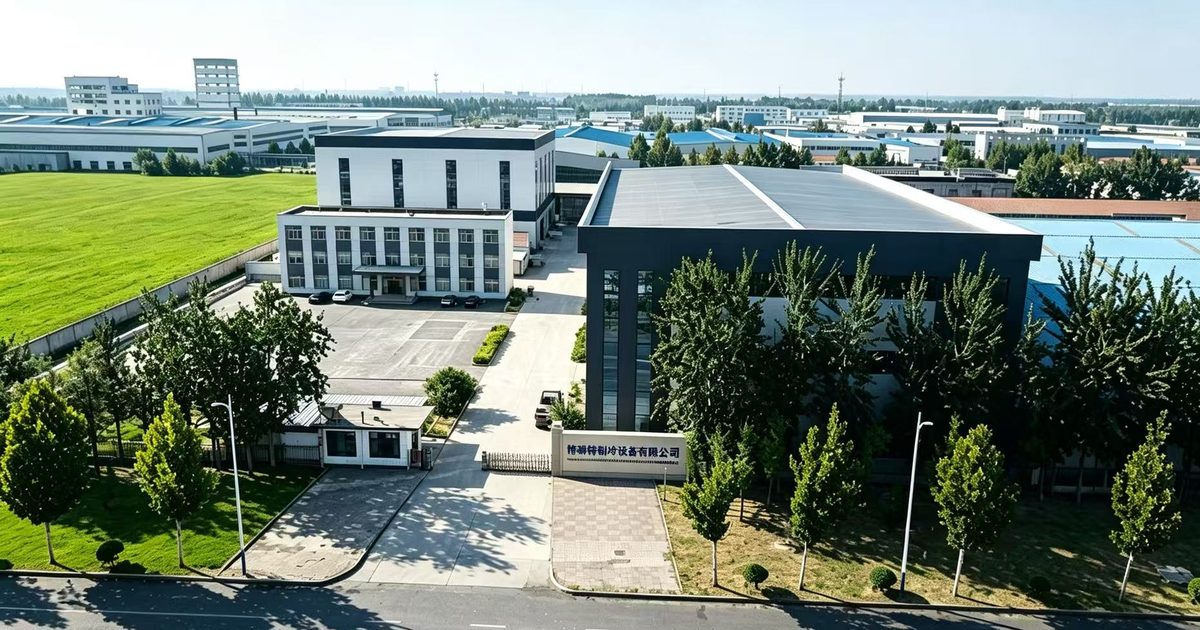
At Shandong Boruite Refrigeration Equipment Co., Ltd., we manufacture PU insulation panels and cold room doors at our workshop in Boxing County, Binzhou, Shandong, China. We supply doors as part of complete cold storage projects covering design, equipment, installation and after-sales support. If you are comparing cold room door types for a project, send us the room layout and traffic details and we will recommend a door schedule with sizes, hardware and heater requirements.
You can reach us at +86 15898896999 or by email at 3107900547@qq.com.
Send us the product, storage volume, target temperature and site conditions — our engineers will come back with a preliminary scheme and budget range within 24 hours.
Email us 15898896999